
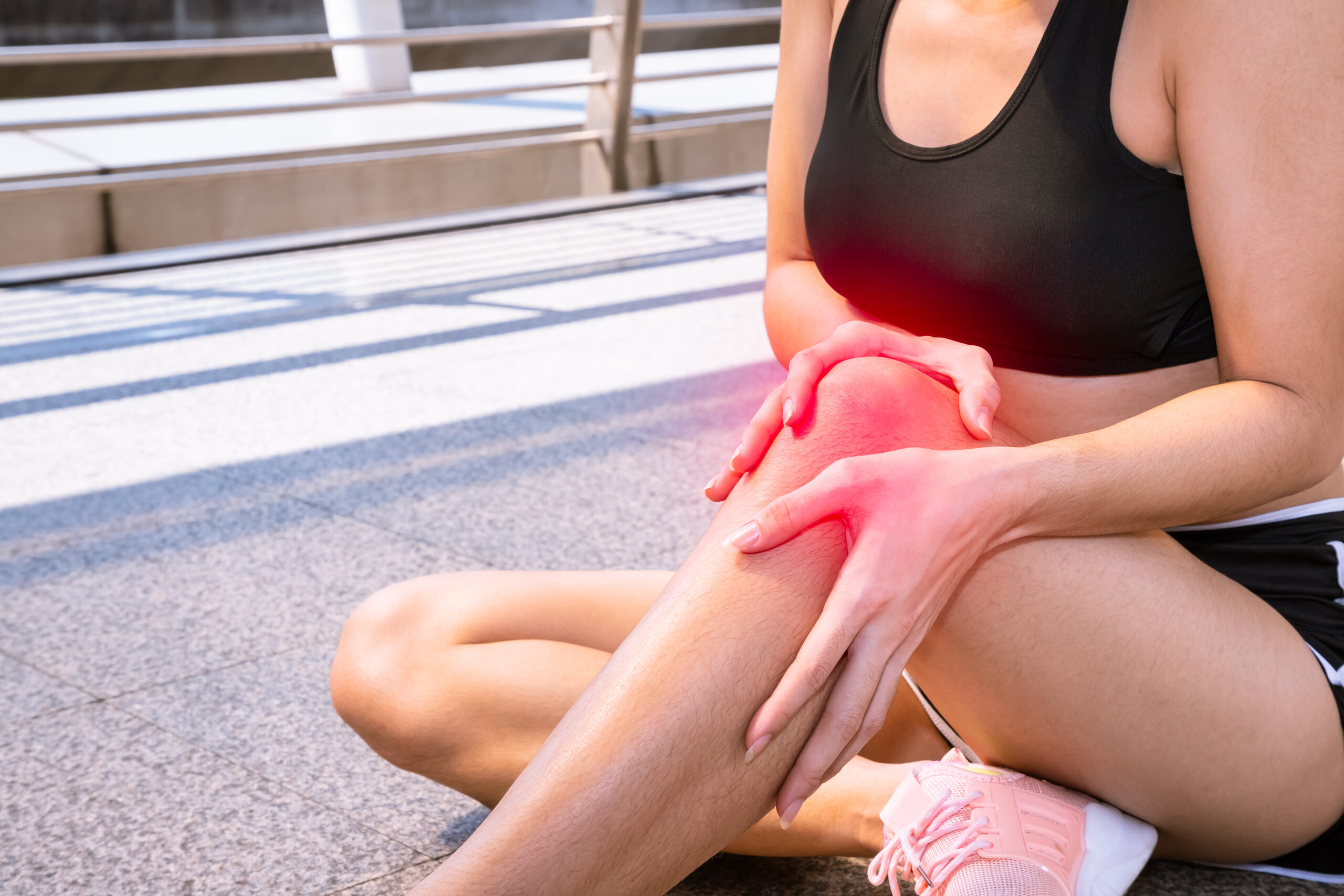
Knee Pain Relief Naturally
Knee pain is basically a kind of pain when your knee hurts or feels and you feel sore or uncomfortable. It can make it hard for your daily movements like walking, sitting, standing or climbing stairs.
One day you are walking normally.
The next day, climbing stairs feels very hard to climb.
Sitting down and standing up hurts.
Sometimes, even sleeping becomes uncomfortable.
If you are dealing with knee joint pain, you are not alone. Millions of people suffer from it every day. The good news is that: you don’t always need strong medicines or prescriptions to get rid of this pain
There are many simple and natural things you can do at home to reduce knee pain, improve movement and protect your joints.
Let’s discuss it in detail, honestly, and step by step.
Why Do Knees Start Hurting?
Before fixing the problem, it helps to understand why it starts.
Knee pain usually happens just because of these reasons:
- Wear and tear of the joint over time
- Weak muscles around the knee
- Inflammation inside the joint
- Extra body weight putting pressure on knees
- Old injuries that never healed properly
- Poor posture or wrong walking habits
Sometimes age plays a role.
Sometimes lifestyle does.
The knee is a hard-working joint. It carries your body weight all day. So when it starts hurting, it’s often asking for care, not chemicals.
1. Reduce Inflammation Naturally
Inflammation is one of the biggest causes of knee pain. When the joint becomes inflamed, it feels stiff, swollen, and painful.
You can calm inflammation naturally.
Use Ice or Heat (Correctly)
- Ice helps when there is swelling or sharp pain
- Heat helps when knees feel stiff or tight
How to use:
- Ice pack: 15–20 minutes, 1–2 times a day
- Warm towel or hot water bag: 15 minutes in the morning or before movement
Listen to your body. Use what feels better.
2. Gentle Exercises That Actually Help
Many people stop moving because of pain.
But no movement makes knees weaker, not stronger.
The key is gentle, safe exercises.
Best Home Exercises for Knee Pain
You don’t need a gym. You don’t need equipment.
Try these daily:
✔ Straight Leg Raises
- Lie down on your back
- Keep one leg straight, bend the other
- Slowly lift the straight leg
- Hold for 5 seconds, then lower
Do 10 reps on each leg.
✔ Sitting Knee Extensions
- Sit on a chair
- Slowly extend one leg
- Hold for a few seconds
- Lower gently
This strengthens knee muscles without pressure.
✔ Short Walks
Even 10–15 minutes a day helps:
- Improves blood flow
- Lubricates joints
- Reduces stiffness
Walking on flat ground is best.
3. Lose Even a Little Weight (If Needed)
This may sound simple, but it’s powerful.
Every extra kilo puts extra pressure on your knees.
Losing even 2–3 kg can:
- Reduce pain
- Improve movement
- Slow joint damage
You don’t need extreme dieting.
Just:
- Eat smaller portions
- Avoid sugary drinks
- Eat more natural foods
Your knees will thank you.
4. Eat Foods That Heal Joints
Food is not just fuel.
Food is medicine too.
Best Foods for Knee Joint Health
🥬 Anti-Inflammatory Foods
- Turmeric
- Ginger
- Garlic
- Green leafy vegetables
🐟 Omega-3 Rich Foods
- Fish (if you eat non-veg)
- Flax seeds
- Walnuts
🥣 Bone-Friendly Foods
- Milk, curd, paneer
- Almonds
- Sesame seeds
Try to eat fresh, home-cooked food as much as possible.
Avoid:
- Fried foods
- Packaged snacks
- Excess sugar
These increase inflammation.
5. Natural Home Remedies That Actually Work
You may already have some of these at home.
Turmeric Milk (Golden Milk)
Turmeric is a natural anti-inflammatory.
How to use:
- Warm milk
- Add half teaspoon turmeric
- Drink at night
Do this regularly.
Ginger Compress
- Grate fresh ginger
- Wrap in cloth
- Place on knee for 10–15 minutes
It helps reduce pain and stiffness.
6. Massage the Knee Gently
Massage improves blood flow and relaxes tight muscles.
Use:
- Mustard oil
- Coconut oil
- Olive oil
Massage gently in circular motion for 5–10 minutes.
Do not press too hard.
Pain should reduce, not increase.
7. Improve Your Sitting & Walking Habits
Small daily habits matter a lot.
Sitting Tips
- Avoid sitting cross-legged for long
- Use a chair with proper height
- Keep feet flat on the floor
Walking Tips
- Wear comfortable footwear
- Avoid hard, flat slippers
- Walk slowly and steadily
Bad posture silently damages knees over time.
8. Give Your Knees Proper Rest
Rest does not mean complete inactivity.
It means:
- Avoid overuse
- Take breaks
- Don’t push through pain
Pain is your body’s signal.
Respect it.
9. Natural Supplements (Optional but Helpful)
Some natural supplements support joint health:
- Glucosamine
- Chondroitin
- Turmeric extracts
- Collagen
They help:
- Improve joint lubrication
- Reduce stiffness
- Support cartilage
Always choose quality products and follow instructions.
10. Stay Consistent (This Is the Secret)
Natural healing takes time.
You won’t feel better in one day.
But if you stay consistent, changes come.
Most people notice improvement in:
- 2–3 weeks with exercise
- 3–4 weeks with diet changes
- 1–2 months with full routine
Consistency matters more than perfection.
When Should You See a Doctor?
Natural care works for most mild to moderate knee pain.
But see a doctor if:
- Pain is severe
- Knee is very swollen
- You cannot walk
- Pain came after an accident
Natural care and medical care can work together.
Final Thoughts
Knee joint pain can be frustrating.
But it does not mean your life has to slow down forever.
Your body has an amazing ability to heal — when you support it properly.
Simple exercises.
Better food.
Gentle care.
Daily habits.
No prescription needed.
Start small. Stay patient.
Your knees will slowly feel stronger, lighter, and more comfortable again.
Frequently Asked Questions
Q: How can I get relieffrom knee joint pain naturally at home?
By doing gentle exercises, eating anti-inflammatory foods, using home remedies like turmeric and heat therapy, and maintaining a healthy weight.
Q: Can knee pain go away without medicine?
Yes, mild knee pain can improve naturally with rest, movement, and healthy daily habits.
Q: Is walking good for knee joint pain?
Slow walking on flat surfaces helps improve blood flow and reduce stiffness.