
oint pain rarely starts as a big problem. For most people, it begins with a little stiffness in the morning or a slight discomfort after sitting too long. At first, it feels easy to ignore. But over time, that small issue can grow into something that affects your daily life — walking, sleeping, even simple movements.
That’s why more people in the United States are now searching for better, long-term solutions instead of just temporary relief. If you’ve already been struggling with joint discomfort, you might also find this guide helpful 👉 https://jointaidnow.com/knee-pain-in-the-morning-causes-quick-fixes-and-natural-relief/ — it explains why pain feels worse after waking up and what you can do quickly.
One term that keeps coming up again and again is 👉 peptides.
But what exactly are peptides, and why are they suddenly so popular for joint pain?
👉 Understanding Peptides in Simple Words
Peptides are small chains of amino acids, which are the basic building blocks of proteins. Your body naturally produces them and uses them for many important functions, including healing tissues, reducing inflammation, and supporting muscle and joint repair.
This is one reason why people are exploring more advanced joint solutions along with traditional methods. In fact, many people combine different approaches like supplements, which are covered in this detailed list 👉 https://jointaidnow.com/best-joint-support-products-2026/ to support overall joint health.
What makes peptides interesting is that they don’t just aim to block pain signals like traditional painkillers. Instead, they are being studied for their potential to support the body’s natural healing process.
👉 Why Joint Pain Is Increasing So Fast
Joint pain is no longer limited to older adults. Today, even people in their 30s and 40s are dealing with it regularly. A big reason for this is modern lifestyle.
Long hours of sitting, lack of physical activity, increased screen time, and weight-related stress on joints are all contributing factors. Morning stiffness, in particular, is something many people experience without understanding the root cause — which is why guides like the one shared above can be eye-opening.
Because of this, people are now looking for solutions that go beyond temporary fixes.
👉 How Peptides May Help With Joint Pain
Peptides are being explored for their ability to support healing at a deeper level. Some studies suggest that certain peptides may help repair damaged tissues like ligaments and tendons, while others may help reduce inflammation.
There are also claims that peptides can support faster recovery after injuries and improve overall mobility by reducing stiffness. This is why many people see them as a more long-term approach compared to traditional treatments.
However, it’s important to understand that research is still ongoing.
👉 Popular Types of Peptides Being Discussed
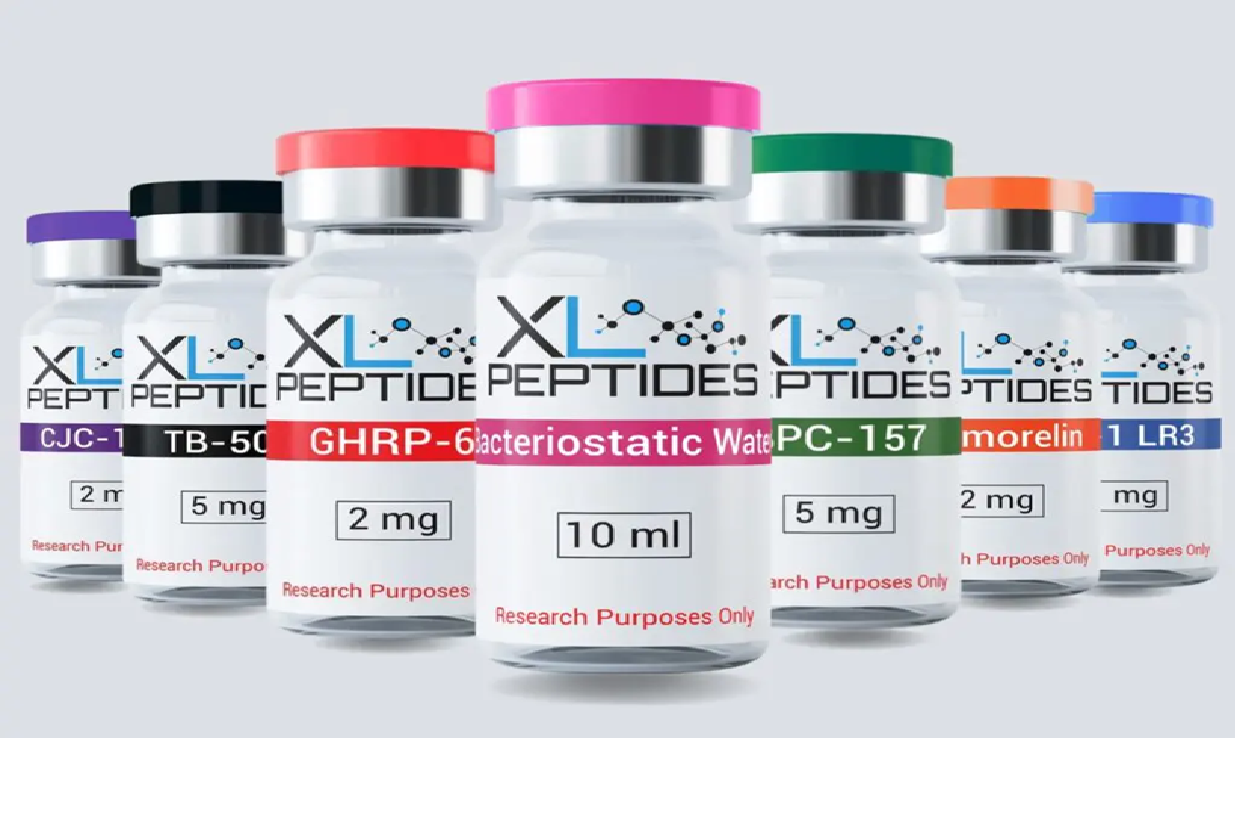
You may have heard names like 👉 BPC-157 or 👉 TB-500 in online discussions. These are often mentioned in connection with tissue repair and recovery. Another common option is collagen peptides, which are widely available in supplement form and are already used by many people for joint and skin support.
Even though these are becoming popular, it doesn’t mean they are fully approved or suitable for everyone.
👉 The Reality Most People Ignore
Here’s the honest truth — peptides are not a magic solution.
Some of them are still being researched, and not all are approved for general use. The quality of products can also vary, which makes it risky to try them without proper knowledge.
This is why relying only on one solution often doesn’t work.
👉 Peptides vs Traditional Treatments
Traditional joint pain treatments like painkillers, anti-inflammatory drugs, and creams mainly focus on reducing symptoms. They can provide quick relief, but the effect is often temporary.
Peptides, on the other hand, aim to support healing from within. That sounds promising, but it also means results may take time and consistency.
👉 What Actually Works Better in Real Life
If you look at people who successfully manage joint pain, they usually follow a combination approach instead of relying on one method.
✔️ Staying physically active with light exercises
✔️ Maintaining a healthy weight
✔️ Eating a balanced diet
✔️ Getting proper sleep
Combining these habits with the right support products (like those mentioned earlier) can often give better long-term results.
👉 Who Should Be Careful
Peptides are not suitable for everyone. If you have existing health conditions, are taking medications, or fall into sensitive categories, it’s important to be cautious.
Trying anything new without proper understanding can lead to unwanted effects.
👉 Are Peptides Worth It?
The answer is balanced.
Peptides are promising and may become more important in the future. But right now, they are not a guaranteed solution and should be used carefully.
👉 Final Thought
Joint pain builds slowly, and it rarely goes away with shortcuts. While peptides are an interesting development, real relief usually comes from consistent habits and smarter choices.
Instead of chasing every new trend, focus on what actually supports your body in the long run.