
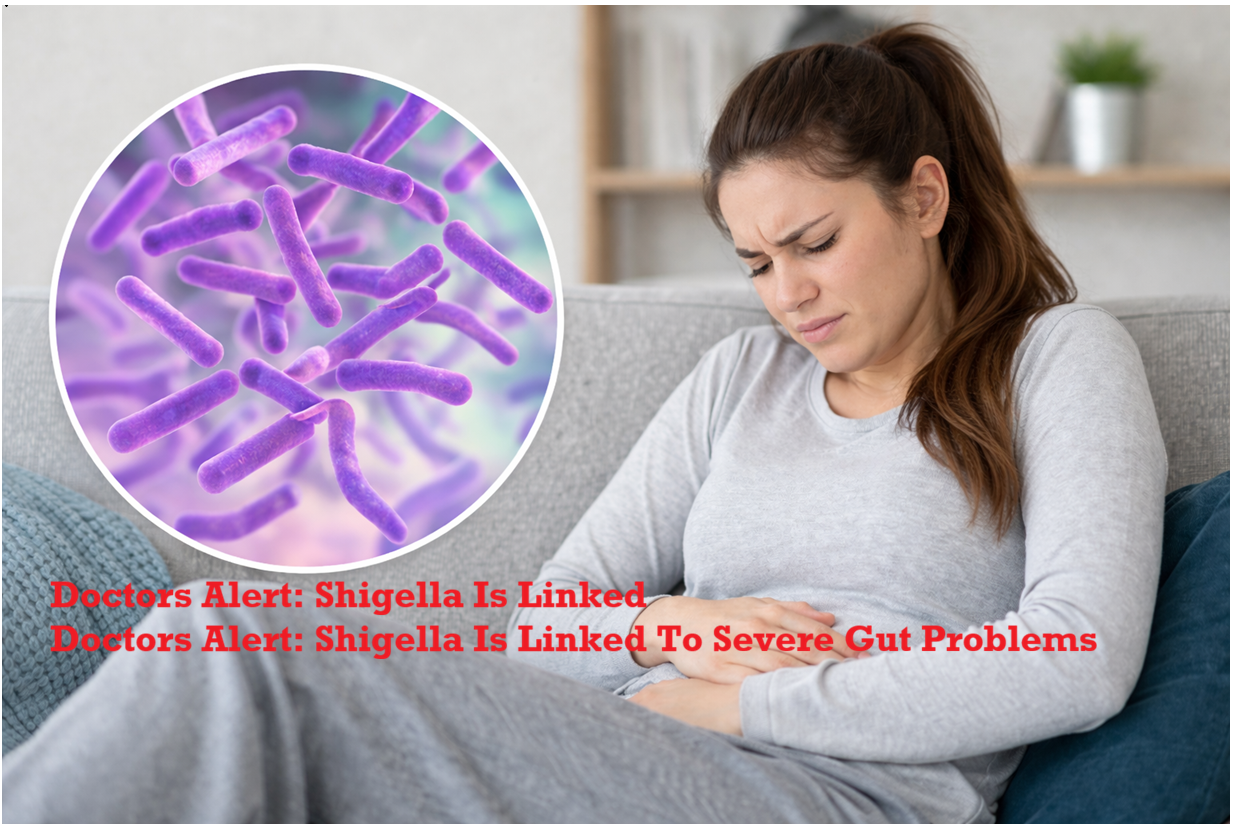
In the past, many infections related to the stomach and intestines were considered simple and easy to treat. A person would visit a doctor, take a few days of antibiotics, and recover without much trouble. However, this situation is slowly changing. One infection that is now creating concern across the world is Shigella. What makes it more serious is not just the infection itself, but the fact that it is becoming resistant to medicines that once worked very effectively.
This growing resistance is turning a manageable illness into a potential public health problem. Health experts are now warning that if this trend continues, it could become much harder to control in the coming years.
What is Shigella?
Shigella is a type of bacteria that causes an infection known as shigellosis. This infection mainly affects the digestive system and leads to symptoms such as diarrhea, fever, stomach pain, and weakness. In some cases, the diarrhea may contain blood or mucus, which makes the condition more severe and uncomfortable.
The infection spreads very easily from one person to another. The most common ways of transmission include contaminated food, unsafe drinking water, and poor personal hygiene. Even simple actions like not washing hands properly can increase the risk of infection. In some cases, close personal or sexual contact can also spread the bacteria.
One important thing to understand is that Shigella does not need a large number of bacteria to cause illness. Even a very small amount can infect a person. This makes it highly contagious and difficult to control, especially in crowded places.
Why is Shigella Becoming More Dangerous?
Earlier, Shigella infections could be treated effectively with commonly used antibiotics. Medicines such as azithromycin and ciprofloxacin were widely used and gave quick results. Patients usually recovered within a short time after starting treatment.
However, over the years, the bacteria have started to change. They have developed the ability to survive even when these medicines are used. This condition is known as antibiotic resistance. When bacteria become resistant, the medicines no longer work as expected, and the infection becomes harder to treat.
As a result, patients may suffer for a longer time, and the chances of spreading the infection to others also increase.
What is Drug-Resistant Shigella?
Drug-resistant Shigella refers to strains of bacteria that do not respond to commonly used antibiotics. In some cases, the bacteria have become resistant to multiple medicines at the same time. This form is often called extensively drug-resistant Shigella.
In such situations, doctors have very limited treatment options. They may need to conduct tests to find out which medicine can still work. This process can take time, and during this period, the patient continues to face discomfort and risk.
This is what makes drug-resistant Shigella a serious concern. It is not just an infection anymore, but a challenge for modern medicine.
Reasons Behind the Rise of Resistance
There are several factors that are contributing to the rise of drug-resistant Shigella. One of the main reasons is the overuse and misuse of antibiotics. Many people take antibiotics without proper medical advice or stop taking them before completing the full course. This allows some bacteria to survive and become stronger.
Another reason is the natural ability of bacteria to adapt. Shigella can undergo small genetic changes that help it survive in difficult conditions. It can also share these survival traits with other bacteria, which increases the spread of resistance.
Poor sanitation also plays a major role. In areas where clean water and hygiene facilities are not available, infections spread more easily. This increases the chances of repeated infections and further resistance.
Global travel has also made the situation more complex. People move from one country to another frequently, and this allows resistant strains to spread across borders.
Current Global Situation
Recent reports from health authorities show that drug-resistant Shigella cases are increasing in many parts of the world. Countries such as the United States and the United Kingdom have reported a noticeable rise in cases over the past few years.
The number of resistant infections has grown from very low levels in the past to a significant percentage today. This clearly shows that the problem is not limited to one region but is becoming a global issue.
Who is at Higher Risk?
Although anyone can get infected, some groups are more vulnerable than others. Young children, especially those under five years of age, are at higher risk because their immune systems are still developing. Older adults also face a higher risk due to weaker immunity.
People with existing health problems or weak immune systems are more likely to experience severe symptoms. Travelers and individuals living in crowded or unhygienic conditions are also at greater risk.
Symptoms to Watch For
The symptoms of drug-resistant Shigella are similar to regular infections, but they may last longer and become more severe. A person may experience frequent diarrhea, stomach cramps, fever, and weakness. In some cases, there may be blood or mucus in the stool.
Dehydration is also a common problem, especially in children and older adults. If not treated properly, the infection can lead to complications and may require hospitalization.
Why This is a Serious Concern
Drug-resistant Shigella is a major concern because it reduces the effectiveness of treatment. Doctors have fewer options available, which makes it harder to manage the infection.
Another issue is the increased risk of spread. When treatment does not work properly, the infected person may continue to carry and spread the bacteria for a longer time.
There is also the risk that Shigella may pass its resistance to other bacteria. This can lead to the development of more resistant infections, often referred to as superbugs.
All these factors together increase the burden on healthcare systems and make it more difficult to control outbreaks.
Treatment and Management
In many mild cases, Shigella infection can be managed without antibiotics. Rest, proper hydration, and a balanced diet are often enough for recovery. Oral rehydration solutions can help prevent dehydration.
However, in severe cases, medical treatment becomes necessary. Doctors may perform laboratory tests to identify the bacteria and choose the most effective medicine.
The challenge is that there is no fixed treatment for extensively drug-resistant Shigella. This makes prevention even more important.
Prevention is the Best Approach
Since treatment options are becoming limited, prevention is the most effective way to deal with this infection. Simple habits can make a big difference.
Regular hand washing with soap, especially before eating and after using the toilet, is very important. Drinking clean and safe water and eating properly cooked food can also reduce the risk.
Maintaining good sanitation and avoiding contact with infected individuals can help prevent the spread. People who are infected should take extra care to maintain hygiene and avoid preparing food for others until they recover.
Future Solutions
Scientists and researchers are working on new ways to control this problem. Efforts are being made to develop new antibiotics that can fight resistant bacteria.
At the same time, research is ongoing to create a vaccine against Shigella. A successful vaccine could provide long-term protection and reduce the spread of infection.
Better monitoring and reporting systems are also being developed to track the spread of resistant strains and take timely action.
Conclusion
Drug-resistant Shigella is a clear warning that infections are becoming more challenging to treat. What was once a simple illness is now turning into a serious health concern due to antibiotic resistance.
The situation requires awareness, responsibility, and proper action. By maintaining hygiene, using antibiotics carefully, and spreading awareness, it is possible to control this growing threat.
If individuals and healthcare systems work together, the spread of drug-resistant Shigella can be reduced, and public health can be protected for the future.