
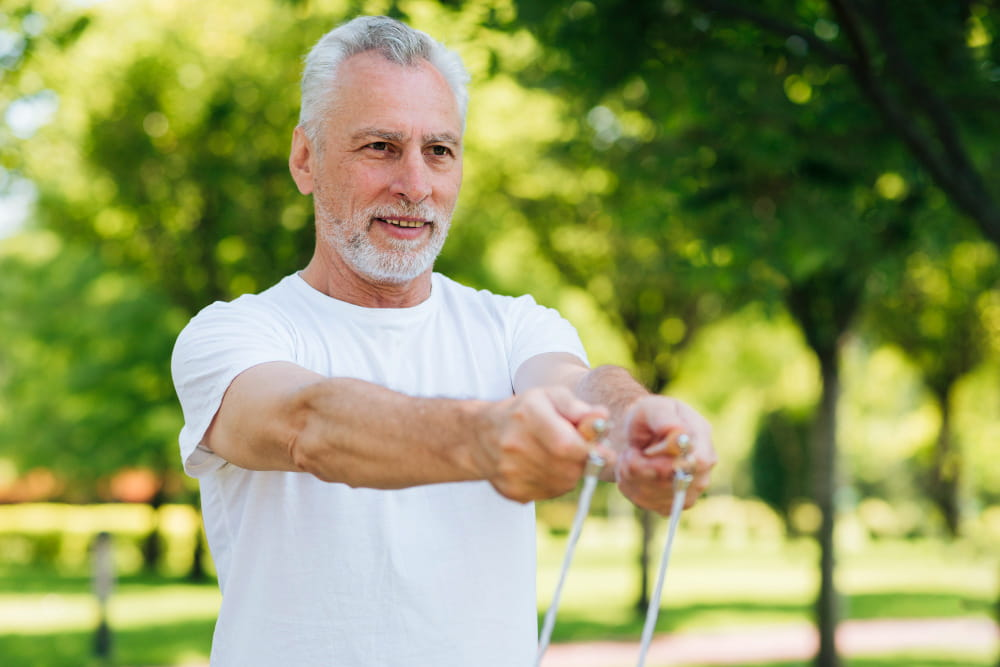
Joint Relief with Exercise
A gentle, safe and simple guide to move better and hurt less
Joint pain can slowly change daily life, especially as we grow older. Things that once felt easy, like getting out of bed, walking to the market or climbing a few stairs. This can start to feel heavy and uncomfortable. Many seniors and beginners worry that exercise will make joint pain worse, so they stop moving altogether.
I have seen many people stop moving because they fear pain, but most of the time the body just needs gentle care, not rest forever.
But here is the honest truth.
The right kind of exercise does not damage joints. It protects them.
You do not need heavy workouts.
You do not need a gym.
You do not need to push your body.
You just need gentle movement, done regularly and safely.
This guide is written like one person talking to another. No pressure. No rush. Just clear help.
Why Exercise Helps Joint Pain
Joints are basically made to move. When we stop moving, joints become stiff, weak and painful.
Gentle exercises help us:
- Improving blood flow to the joints
- Reducing stiffness
- Strengthening muscles around joints
- Improving balance and confidence
- Making daily movements easier
Even small movements can make a big difference when done daily.
Important Rules Before You Start
Before doing any exercise, please remember these simple rules:
- Move slowly
- Never rush
- Stop if you feel sharp pain
- Mild discomfort is okay, sharp pain is not
- Breathe normally, don’t hold your breath
If you have severe pain, recent surgery, or serious medical conditions, talk to your doctor first.
How Often Should Seniors Exercise?
You don’t need to exercise for long hours.
A good routine is:
- 10–30 minutes per day
- 5 days a week
- Start small and slowly increase
Even 10 minutes daily is better than nothing.
Warm-Up (Very Important)
Never skip warm-up. Cold joints get injured easily.
Simple Warm-Up (5 Minutes)
- Slow shoulder rolls
- Gentle neck turns
- March in place slowly
- Swing arms gently
This prepares your body for movement.
Best Exercises for Joint Pain Relief
(Safe for Seniors and Beginners)
Let’s go joint by joint.
1. Knee Joint Exercises
a) Seated Leg Lift
This is very safe and easy.
How to do it:
- Sit on a chair
- Keep your back straight
- Slowly lift one leg
- Hold for 3–5 seconds
- Lower it slowly
Do 8–10 times on each leg.
Benefits:
- Strengthens knee muscles
- Reduces stiffness
- Improves walking ability
b) Knee Bending While Sitting
- Sit comfortably
- Slowly bend and straighten one knee
- Move gently
Do 10 times per leg.
This helps improve joint movement without pressure.
2. Hip Joint Exercises
a) Sitting March
- Sit on a chair
- Lift one knee slightly
- Lower it
- Switch legs
Do 10–15 times.
This improves hip mobility and balance.
b) Standing Hip Hold (With Support)
- Hold a chair or wall
- Lift one leg to the side
- Hold for 3 seconds
- Lower slowly
Do 5–10 times.
3. Shoulder Joint Exercises
a) Shoulder Rolls
- Sit or stand
- Roll shoulders forward slowly
- Then roll backward
Do 10 times each.
This reduces stiffness and improves arm movement.
b) Wall Finger Walk
- Face a wall
- Place fingers on wall
- Slowly walk fingers upward
- Stop when comfortable
This is excellent for shoulder pain and frozen shoulder.
4. Elbow and Wrist Exercises
a) Wrist Circles
- Stretch arms forward
- Rotate wrists slowly
Do 10 circles each side.
b) Open and Close Fist
- Make a fist
- Open fingers wide
Repeat 10–15 times.
Helps arthritis pain in hands.
5. Ankle and Foot Exercises
a) Ankle Rotations
- Sit comfortably
- Lift one foot slightly
- Rotate ankle slowly
Do 10 times each side.
This improves balance and reduces foot stiffness.
b) Toe Movement
- Move toes up and down
- Spread toes gently
Very helpful for walking comfort.
Walking – The Best Exercise for Seniors
Walking is one of the safest and most powerful exercises.
Benefits:
- Improves joint lubrication
- Strengthens muscles
- Boosts mood
- Improves heart health
Tips for safe walking:
- Walk on flat surface
- Wear soft shoes
- Walk slowly
- Start with 5–10 minutes
Increase time gradually.
Stretching for Joint Pain Relief
Stretching keeps joints flexible.
Gentle Full Body Stretch
- Stretch arms upward
- Stretch legs gently
- Twist body slowly
Never bounce. Stretch slowly.
Chair Yoga (Very Helpful)
Chair yoga is perfect for seniors and beginners.
It includes:
- Seated stretches
- Gentle twists
- Breathing exercises
It improves flexibility, reduces stress, and helps joint pain.
Breathing Matters More Than You Think
Deep breathing relaxes muscles and reduces pain.
Simple breathing exercise:
- Sit comfortably
- Inhale slowly through nose
- Exhale slowly through mouth
Do for 3–5 minutes.
Exercises to Avoid (For Beginners)
Avoid these at the start:
- Jumping
- Running on hard surfaces
- Deep squats
- Heavy weights
- Sudden twisting
These can increase joint stress.
How Long Before You Feel Better?
Be patient.
Most seniors notice:
- Less stiffness in 1–2 weeks
- Better movement in 3–4 weeks
- Reduced pain in 1–2 months
Consistency is more important than intensity.
Common Mistakes Seniors Make
- Doing too much too fast
- Skipping warm-up
- Ignoring pain signals
- Comparing with others
- Giving up too early
Your body has its own pace.
Combine Exercise With Simple Daily Habits
Exercise works best when combined with:
- Healthy food
- Enough water
- Proper sleep
- Light massage
- Warm compress
Everything works together.
Can Seniors Exercise Every Day?
Yes, gentle exercise can be done daily.
Just:
- Keep it light
- Listen to your body
- Take rest when needed
When to Stop and See a Doctor
Stop exercise and consult a doctor if:
- Pain increases suddenly
- Joint swelling increases
- Dizziness or chest pain
- Severe discomfort
Safety always comes first.
Mental Benefits of Exercise
Exercise is not only for joints.
It also:
- Improves mood
- Reduces anxiety
- Increases confidence
- Improves sleep
A calm mind helps healing.
Simple Daily Routine Example (For Beginners)
Morning:
- Warm-up
- Chair exercises
- Stretching
Evening:
- Short walk
- Breathing exercise
Total time: 20–30 minutes.
Motivation for Seniors
You are not too old to move.
You are not weak.
Your body wants gentle care.
Even slow steps matter.
Final Words
Joint pain does not mean your life must stop.
With the right exercises, done slowly and regularly, joints can feel lighter, stronger, and more flexible.
You don’t need perfection.
You don’t need speed.
You just need consistency.
Move gently.
Breathe deeply.
Respect your body.
Your joints will thank you.