
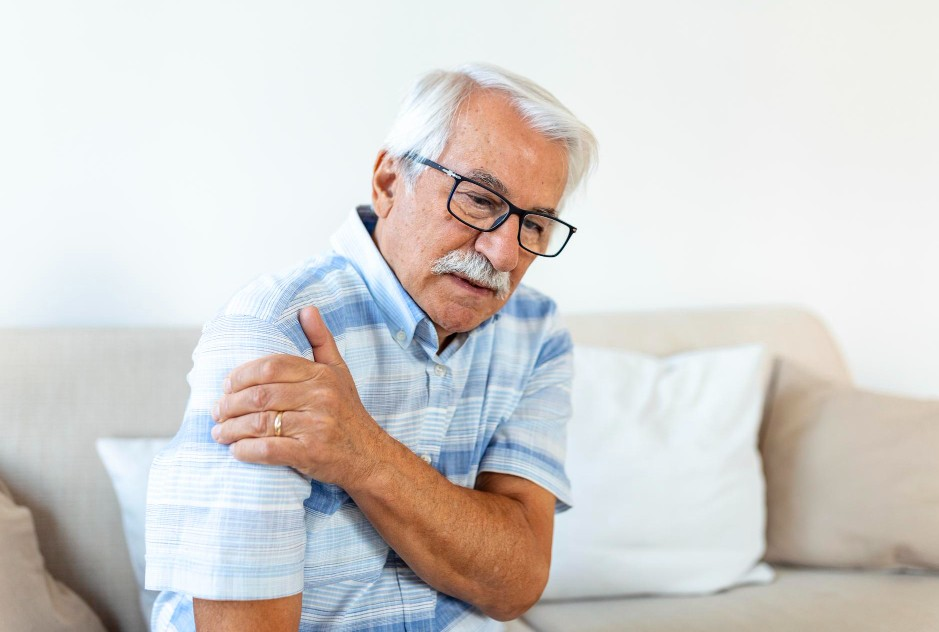
Joint Pain Solution at Home
Knee joint pain is something many people deal with quietly. It can start slowly. One day you feel a little stiffness when you wake up. Another day, walking up the stairs feels harder than usual. Over time, that small discomfort turns into daily pain.
The worst part is that knee pain does not only affect your body. It affects your mood, your confidence, and your freedom. Simple things like walking, standing, or playing with family can feel exhausting.
Many people do not want to depend on medicines every day. Some worry about side effects. Others just want a more natural way to feel better. The good news is that there are many safe and effective ways to relieve knee joint pain at home without medicine.
This guide explains those ways in a simple, honest, and practical manner
Key notes
- Knee joint pain can often be managed naturally without daily medicine.
- Gentle movement and light stretching reduce stiffness and improve flexibility.
- Heat, cold therapy, and massage help ease pain and inflammation.
- Strong muscles, good posture, and proper footwear protect the knee joint.
- Consistent daily care and patience lead to long-term relief.
Understanding Knee Joint Pain in Simple Words
The knee is one of the hardest working joints in the body. It supports your weight. It bends, straightens, and absorbs pressure every day.
Knee pain usually comes from:
- Inflammation
- Weak muscles around the knee
- Stiff joints
- Poor movement habits
- Aging wear and tear
Pain can feel different for different people. Some feel a dull ache. Some feel stiffness in the morning. Others feel sharp pain when walking or standing up.
Before trying to fix the pain, it helps to understand that most knee pain improves with gentle care and consistency, not force or quick fixes.
Start With Gentle Daily Movement
One common mistake people make is stopping movement completely. Rest is important, but too much rest can make knee pain worse.
When you do not move your knee:
- Muscles become weak
- Joints become stiff
- Blood flow reduces
Simple movements help lubricate the joint and reduce stiffness.
Easy movements to try at home:
- Slow walking for 5–10 minutes
- Gentle knee bending while sitting
- Straightening and bending the leg while lying down
The key is slow and controlled movement, not speed or pressure.
Morning Stretching Makes a Big Difference
Many people notice knee pain is worse in the morning. This happens because joints become stiff after hours of no movement.
A short morning routine can change how your knee feels for the rest of the day.
Simple morning stretches:
- Sit on the bed and slowly straighten one leg
- Hold for 10 seconds
- Relax and repeat 5 times per leg
You do not need fancy exercises. Gentle stretching wakes up the joint and improves flexibility.
Use Heat and Cold the Right Way
Heat and cold therapy are old remedies, but they still work when used properly.
When to use heat:
- Stiff knees
- Morning pain
- Tight muscles
A warm towel or heating pad helps relax muscles and increase blood flow.
When to use cold:
- Swelling
- Pain after activity
- Inflammation
A cold pack reduces swelling and numbs pain.
Do not overuse either. 15–20 minutes is enough.
Massage Helps More Than You Think
Massage improves circulation and relaxes tight muscles around the knee. You do not need a professional massage therapist to feel relief.
Simple home massage:
- Sit comfortably
- Use warm oil like olive oil or coconut oil
- Massage gently around the knee, not directly on the kneecap
- Use slow circular motions
This relaxes tissues and often reduces pain after a few minutes.
Strengthen the Muscles Around the Knee
Weak muscles force the knee joint to work harder. Strengthening nearby muscles gives the knee better support.
You do not need a gym. Simple exercises at home are enough.
Easy strengthening exercises:
- Leg raises while lying down
- Wall-supported squats (very shallow)
- Sitting leg extensions
Do not rush. Do fewer repetitions with good form.
Improve Your Sitting and Standing Habits
Many knee problems come from daily habits.
Avoid:
- Sitting cross-legged for long periods
- Sitting too low on the floor
- Standing with locked knees
Try:
- Using chairs with proper support
- Standing up slowly
- Keeping knees slightly relaxed when standing
Small habit changes reduce long-term strain.
Footwear Matters More Than You Realize
Your knees react to how your feet hit the ground.
Poor footwear can:
- Increase pressure on knees
- Affect walking posture
- Worsen joint alignment
Choose shoes that:
- Have good cushioning
- Support the arch
- Fit properly
Avoid very flat or very hard footwear for long walking.
Weight Management Reduces Knee Stress
Even a small amount of extra weight increases pressure on the knees.
Losing just a few kilograms can:
- Reduce knee pain
- Improve movement
- Slow joint damage
You do not need extreme dieting. Simple changes like balanced meals and daily walking help over time.
Anti-Inflammatory Foods Support Joint Health
What you eat affects inflammation in your body.
Foods that may help reduce knee pain:
- Fruits like berries
- Vegetables like spinach and broccoli
- Nuts and seeds
- Healthy fats like olive oil
Foods to reduce:
- Processed foods
- Excess sugar
- Deep-fried items
Diet alone will not cure pain, but it supports healing.
Stay Hydrated for Joint Comfort
Joints need fluid to move smoothly. Dehydration can increase stiffness.
Drink water regularly throughout the day, not all at once.
This simple habit helps more than people expect.
Manage Stress and Sleep Better
Pain and stress feed each other. When stress increases, pain often feels worse.
Try:
- Deep breathing
- Light stretching before bed
- Regular sleep timing
Better sleep helps your body repair itself.
Be Patient With Your Body
Knee joint pain rarely disappears overnight. Natural methods take time, but they are safer and more sustainable.
Consistency matters more than intensity.
Even small daily efforts add up.
When to Be Careful
Home remedies help many people, but if you notice:
- Severe swelling
- Sudden sharp pain
- Inability to walk
- Pain after injury
You should seek medical advice.
Listening to your body is important.
Final Thoughts
Relieving knee joint pain at home without medicine is possible for many people. It does not require expensive tools or complicated routines. It requires patience, gentle care, and daily attention.
Simple movement, good habits, proper rest, and supportive nutrition work together. Over time, these small changes can bring noticeable relief.
Your knees support you every day. Taking care of them is not selfish. It is necessary.
If you stay consistent and kind to your body, improvement often follows.