
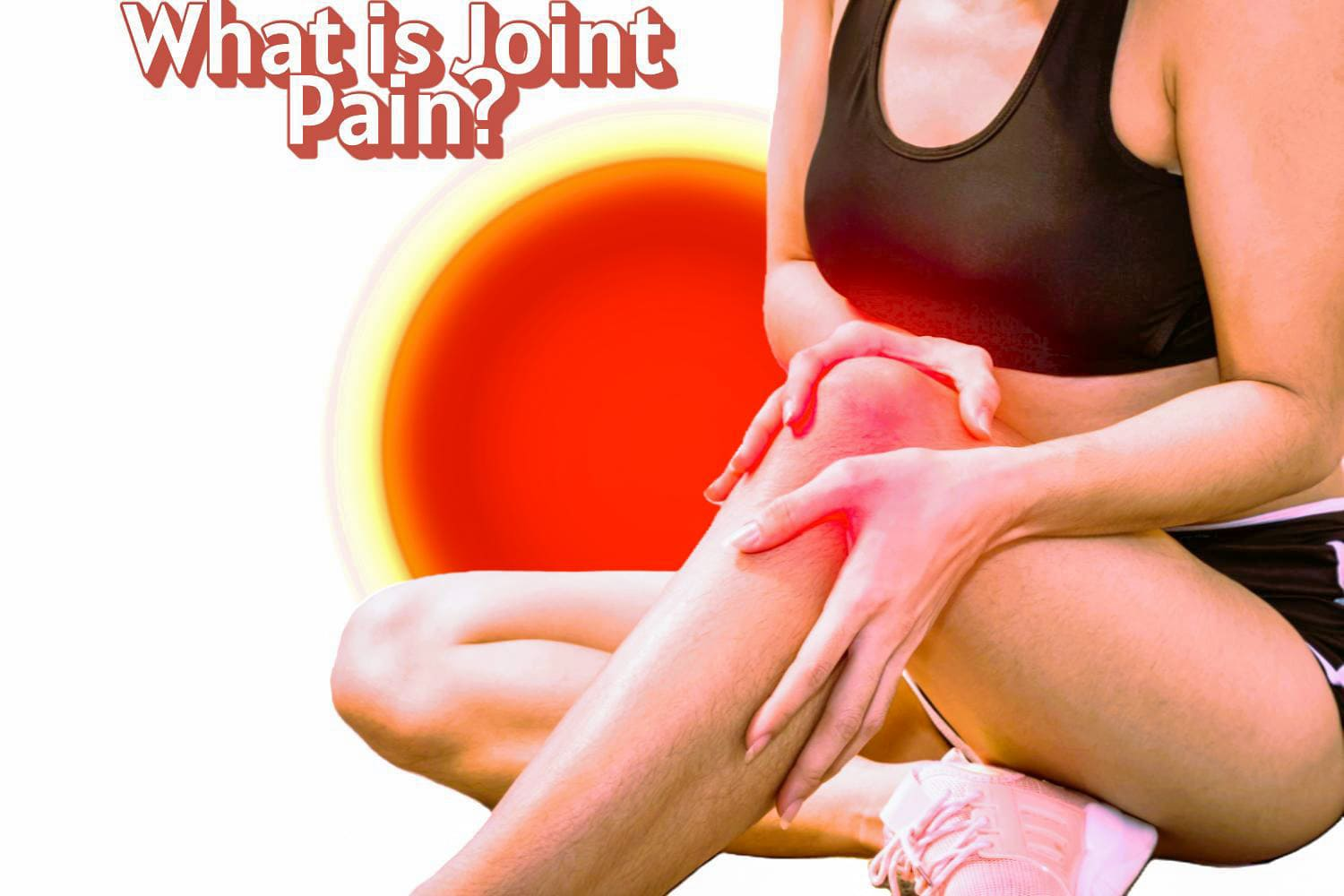
Joint Pain
Joint pain means pain in the places where two bones meet. These places are called joints. Common joints are the knees, hips, shoulders, elbows, wrists, fingers, ankles, and parts of the back.
Your joints help you move every day. You use them to walk, climb stairs, sit down, stand up, cook food, write, pray, and hug your loved ones. When joints are healthy, you do not even notice them. But when joint pain starts, even small movements can become difficult.
Joint pain can affect people of any age, but it becomes more common as we grow older.
Key notes
- Joint pain happens where two bones meet, like knees, hips, shoulders, and fingers
- Joints help us move, walk, sit, lift, and do daily work
- Healthy joints move smoothly because of cartilage, fluid, and strong muscles
- Joint pain starts when joints become worn, dry, swollen, or injured
- Common signs include stiffness, swelling, aching pain, and cracking sounds
- Morning stiffness and pain after long sitting are early warning signs
- Aging, excess weight, old injuries, and repeated movements increase joint pain risk
- Poor diet, lack of movement, and dehydration can make pain worse
- Gentle daily exercise keeps joints flexible and strong
- Healthy foods like fish, vegetables, turmeric, and nuts support joint health
- Hot and cold packs help reduce stiffness and swelling
- Early care can prevent long-term joint damage
- Severe swelling, fever, or sudden pain needs medical attention
- Small daily habits can protect joints and improve quality of life
What Is a Joint and How Does It Work?
Think of a joint like the hinge of a door. When the hinge is smooth, the door opens easily. When it becomes dry or rusty, the door feels stiff and makes noise. Joints work in a similar way.
Each joint has:
- The ends of two bones
- A smooth protective layer that helps bones move without rubbing
- A slippery fluid inside that works like oil
- Strong bands that hold everything together
- Muscles around the joint that give strength and support
Every day, your joints work hard. Your knees bend thousands of times just from walking. Your shoulders lift bags, water buckets, or children. Over time, this daily work can slowly wear joints down.
When any part of the joint gets damaged, dry, swollen, or weak, pain begins.
How Joint Pain Feels
Joint pain does not feel the same for everyone. Common signs include:
- Stiffness, especially in the morning or after sitting
- Dull aching or sharp pain while moving
- Swelling or puffiness around the joint
- Warm or red skin over the joint
- Difficulty bending or straightening
- Cracking or popping sounds
- Weakness in nearby muscles
- Feeling tired or low on energy
Sometimes pain affects only one joint. Other times, many joints hurt at the same time.
Common Causes of Joint Pain
1. Age and Wear
As we age, the smooth protective layer in joints becomes thinner. Knees and hips are affected the most because they carry body weight.
2. Body Attacking Its Own Joints
In some people, the body’s defense system attacks the joints by mistake. This often causes pain in both hands or feet and strong morning stiffness.
3. Crystal Buildup
Waste from food can form sharp crystals inside joints. This causes sudden, severe pain, often in the big toe or foot.
4. Old Injuries
Past falls, sports injuries, or accidents can weaken joints. Pain may return years later.
5. Repeated Movements
Doing the same movement again and again, like typing, lifting, or standing for long hours, can strain joints.
6. Infections
Germs can enter a joint and cause sudden swelling, pain, and fever. This needs quick medical care.
Everyday Things That Make Joint Pain Worse
- Being overweight
- Sitting too long without movement
- Poor posture
- Eating too much junk or sugary food
- Lack of exercise
- Smoking
- Not drinking enough water
Even small daily habits can slowly damage joints.
Simple Ways to Reduce Joint Pain
Move Gently Every Day
Walking, stretching, swimming, or cycling helps keep joints flexible and strong. Even 20 to 30 minutes a day makes a big difference.
Use Hot or Cold Packs
- Cold packs reduce swelling
- Warm packs reduce stiffness
Eat Joint-Friendly Foods
- Fish, nuts, and seeds
- Green leafy vegetables
- Fruits like berries and apples
- Turmeric and ginger
- Plenty of water
Maintain Healthy Weight
Losing even a few kilos reduces pressure on knees and hips.
Rest and Sleep Well
Good sleep helps the body repair joints naturally.
When to See a Doctor
Get medical help if:
- Pain is severe or sudden
- Joint becomes very swollen or hot
- You have fever with joint pain
- Pain does not improve after home care
Early care can prevent long-term damage.
Final Words
Joint pain can slowly steal comfort from daily life, but it does not have to control you. Small changes like gentle movement, better food, proper rest, and early care can protect your joints for years.