
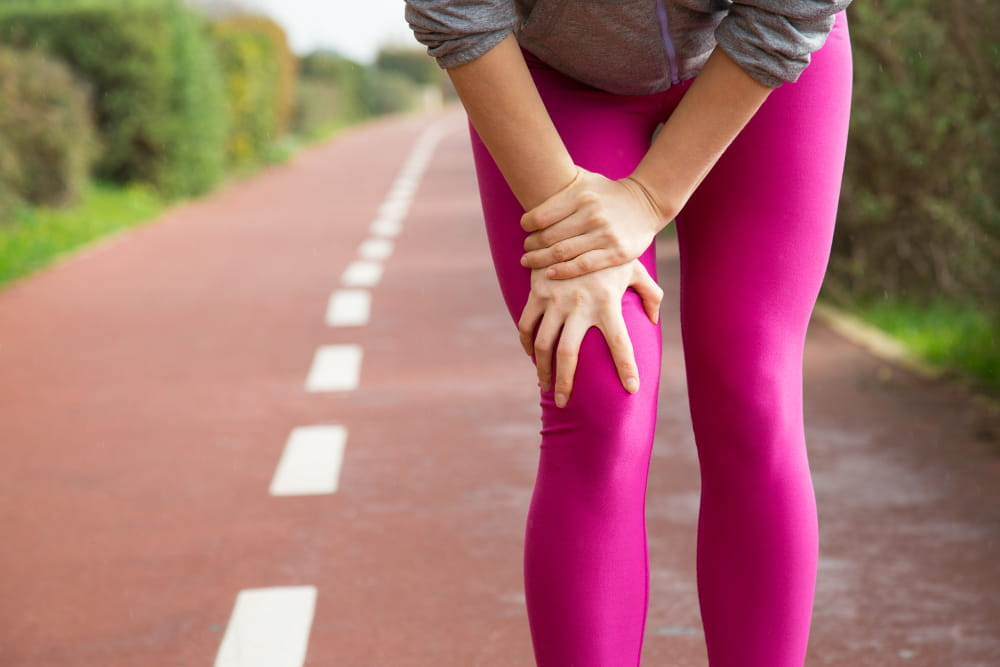
Knee Pain
Knee pain is one of the most common problems that adults face in the United States, especially after age of 40. It can range from mild discomfort that comes and goes to severe, chronic knee pain that makes daily activities difficult. Many people simply accept knee pain as part of ageing, but understanding what knee pain is, its causes and how to manage it can make a huge difference in quality of life.
The knee is a complex joint that supports your body weight, helps you walk, run, climb stairs and even get up from a chair. Because it works so hard every day, it is also prone to injuries, inflammation and wear and tear. Learning about knee joint pain and the factors that contribute to it can help prevent long-term problems.
Key notes
- Explains what knee pain is and why it happens.
- Highlights common knee pain symptoms for easy recognition.
- Covers major causes including aging, injury, and arthritis.
- Shows who is at higher risk, especially adults over 40.
- Differentiates knee joint pain and chronic knee pain.
- Provides simple lifestyle and home remedies for relief.
- Suggests diet and exercises to strengthen knees naturally.
- Emphasizes early care to prevent long-term problems.
- Simplify content creation and ensure design consistency.
- Pre-arranged collections of blocks.
Understanding the Knee Joint
The knee joint is not just a simple hinge. It is made up of bones, cartilage, ligaments, tendons and muscles that work together. Each part plays a crucial role in movement and stability:
- Bones: The thigh bone (femur), shin bone (tibia) and kneecap (patella)
- Cartilage: Smooth tissue that cushions bones and allows frictionless movement
- Ligaments: Strong bands that stabilize the knee
- Tendons: Connect muscles to bones and help the joint move
- Muscles: Support and move the knee joint
When any of these parts are damaged, inflamed, or worn down, knee joint pain can occur. Chronic knee pain often results from long-term stress on these structures.
Common Knee Pain Symptoms
Knee pain symptoms can vary from person to person. Some people feel a dull ache, while others may feel sharp, stabbing pain. The intensity can be mild or severe and it can appear suddenly or gradually. Common knee pain symptoms include:
- Pain when walking, standing, or climbing stairs
- Swelling around the knee
- Stiffness, especially in the morning
- Grinding, clicking, or popping sounds
- Weakness or instability
- Difficulty bending or straightening the knee
- Pain after sitting or resting for long periods
Recognizing knee pain symptoms early is important for preventing chronic issues.
Common Causes of Knee Pain
There are several reasons knee pain develops. Understanding knee pain causes helps people manage it effectively.
Aging and Wear and Tear
As we age, the cartilage in the knee naturally wears down. This reduces cushioning between bones and can lead to knee pain after 40. It is one of the most common causes of knee joint pain in adults.
Osteoarthritis
Osteoarthritis occurs when the protective cartilage in the knee wears away over time, causing bone-on-bone friction. This condition leads to chronic knee pain, stiffness, and swelling. It is especially common in adults over 50.
Injuries
Knee injuries can happen at any age, often during sports, exercise, or accidents. Common injuries include:
- Ligament tears
- Meniscus tears
- Tendon injuries
- Fractures
These injuries often cause sudden, sharp knee pain, swelling, and difficulty moving the joint.
Overuse and Repetitive Stress
Repeated activities like kneeling, squatting, running, or lifting can strain the knee. Over time, this stress can lead to inflammation and knee pain.
Excess Body Weight
Extra body weight increases pressure on the knee joint. Even small increases in weight can make knee pain worse and accelerate cartilage wear.
Weak Muscles or Poor Alignment
Weak thigh or hip muscles reduce support for the knee, causing imbalance and increasing the risk of knee joint pain. Poor posture or improper footwear can also contribute.
Inflammation
Inflammatory conditions like bursitis or tendonitis can cause swelling, tenderness, and knee pain. Chronic inflammation often worsens over time if untreated.
Who Is More Likely to Experience Knee Pain?
While knee pain can affect anyone, some people are more at risk:
- Adults over 40, especially knee pain after 40
- Individuals who are overweight
- Athletes or active individuals
- Workers who stand or kneel for long periods
- People with previous knee injuries
- Individuals with weak leg muscles or poor posture
- People with arthritis or other inflammatory conditions
How Knee Pain Affects Daily Life
Knee pain can impact more than just movement. It can affect overall well-being:
- Difficulty walking long distances or climbing stairs
- Reduced ability to exercise or stay active
- Poor sleep due to discomfort
- Frustration or stress from limited mobility
- Loss of independence in severe cases
Chronic knee pain often leads to avoiding movement, which can weaken muscles and make the problem worse.
When Knee Pain Should Not Be Ignored
Some knee pain is mild, but certain signs indicate it should not be ignored:
- Severe pain that persists
- Swelling lasting several days
- Inability to bear weight
- Knee locking or giving way
- Redness, warmth, or bruising around the joint
- Pain after a serious injury
If knee pain affects daily activities or persists for weeks, it’s important to seek guidance from a healthcare professional.
Simple Ways to Manage Knee Pain
Many people manage knee pain without strong medications. Simple lifestyle adjustments can help reduce discomfort:
Gentle Movement
Low-impact activities such as walking, swimming, or cycling keep the knee flexible and strong.
Strengthening Muscles
Exercising the thighs and hips supports the knee and reduces strain.
Weight Management
Losing even a small amount of weight can relieve pressure on the knee joint.
Heat and Cold Therapy
- Ice helps reduce swelling and inflammation
- Heat relaxes muscles and eases stiffness
Proper Footwear
Supportive shoes help improve alignment and reduce knee strain.
Rest and Recovery
Giving the knee time to rest after activity helps prevent overuse injuries.
Diet and Knee Health
Nutrition can affect joint health and help with chronic knee pain. Consider:
- Eating omega-3-rich foods (salmon, flaxseed, walnuts)
- Including fruits and vegetables high in antioxidants
- Staying hydrated
- Avoiding processed and sugary foods
- Maintaining a balanced diet
A healthy diet supports weight control and reduces inflammation, which helps prevent and manage knee pain.
Understanding Knee Joint Pain and Chronic Knee Pain
Knee joint pain occurs when cartilage, ligaments, or tendons are damaged or inflamed. Common knee joint pain causes include aging, arthritis, previous injuries, and repeated stress on the joint.
Chronic knee pain refers to discomfort that lasts for weeks or months. It is especially common in adults over 40 and can worsen if ignored. Understanding knee joint pain causes early helps people protect their knees and reduce long-term discomfort.
Knee Pain After 40: What You Need to Know
Knee pain after 40 is often linked to natural wear and tear of the knee joint, reduced cartilage, and weaker supporting muscles. Many adults notice stiffness in the morning or after sitting for long periods. While aging contributes, knee pain is not something you have to simply accept.
Living Well With Knee Pain
Even with knee pain, it is possible to live an active, full life. Small, consistent changes can make a significant difference:
- Stay active with gentle movement
- Strengthen supporting muscles
- Maintain healthy weight
- Eat foods that reduce inflammation
- Listen to your body and rest when needed
Knee pain does not have to control your life. With awareness and care, most people can maintain mobility and comfort.
Final Thoughts
Knee pain is a common issue in the USA, especially for adults over 40. It can come from aging, arthritis, injury, excess weight, or repetitive stress. Recognizing knee pain symptoms early and understanding knee pain causes is key to protecting the joint and improving quality of life.
Simple adjustments, like gentle exercise, weight management, and proper nutrition, can help reduce knee joint pain and chronic knee pain. Taking care of your knees today can make a big difference tomorrow.
If knee pain affects your daily life, learning more about knee joint pain and implementing small, practical changes can help you move more comfortably and stay active for years to come.
For more tips and advice, visit: jointaidnow.c